
How to Choose the Perfect One-Piece Dress
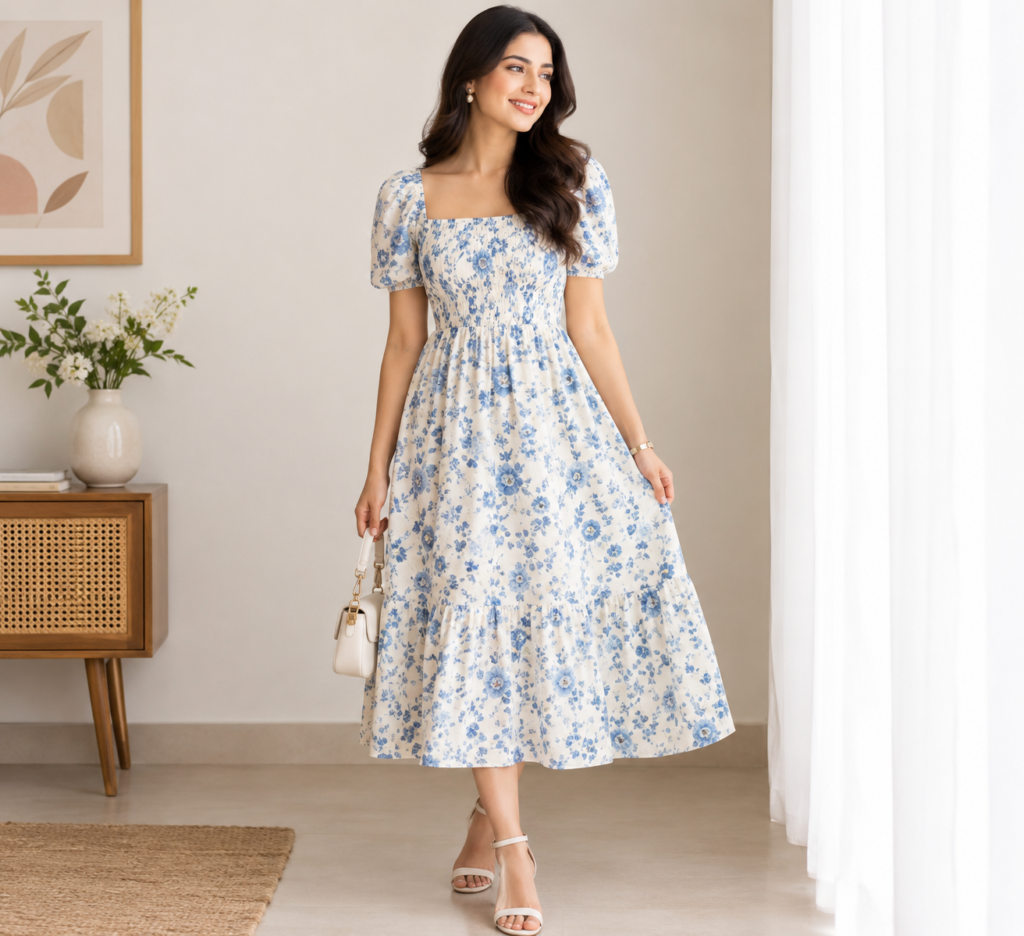
Choosing the perfect one-piece dress is about finding a style that makes you feel comfortable, confident, and fashionable. Whether you are dressing for a casual outing, an office day, a family gathering, a party, or a special occasion, the right dress can make getting ready much easier. With so many designs, fabrics, colours, lengths, and fits available, selecting the best one-piece dress can sometimes feel confusing.
A beautiful dress should not only look attractive but also suit your personal style, fit comfortably, and match the occasion. From elegant midi dresses to relaxed casual styles and sophisticated evening dresses, there are plenty of options to explore.
In this guide, we will explain how to choose the perfect one-piece dress for your body shape, lifestyle, budget, and fashion preferences. These practical tips will help you make smarter shopping decisions and build a wardrobe that reflects your personality.
1. Understand Your Personal Style
Before buying a dress, consider your personal style and the way you want to present yourself. Fashion is not just about following trends; it is about choosing clothes that make you feel comfortable and confident.
If you prefer a simple everyday look, a solid-colour dress with a clean design may be ideal. If you enjoy experimenting with fashion, you might prefer floral prints, bold colours, ruffles, or statement sleeves.
Here are some popular styles to consider:
- Casual dresses: Perfect for shopping, coffee dates, college, and everyday activities.
- Elegant dresses: Suitable for dinners, family gatherings, and semi-formal occasions.
- Party-wear dresses: Great for celebrations, birthdays, and evening events.
- Floral dresses: Ideal for daytime outings, holidays, and spring or summer styling.
- Minimalist dresses: Perfect for women who prefer timeless designs and versatile outfits.
Understanding your preferences makes shopping easier and helps you select dresses you will enjoy wearing more than once.
2. Choose the Right Dress for Your Body Shape
One of the most important steps in choosing a one-piece dress is finding a silhouette that feels comfortable and complements your natural proportions. Remember that there is no single dress style that everyone must wear. Your comfort and personal preference should always come first.
A-Line Dresses
A-line dresses are fitted around the upper body and gradually widen towards the hem. They create a balanced silhouette and are versatile enough for casual outings, office wear, and family events.
Fit-and-Flare Dresses
These dresses usually feature a fitted bodice and a flared skirt. They offer a feminine appearance and work well for parties, celebrations, and daytime occasions.
Straight-Cut Dresses
Straight-cut dresses have a relatively consistent shape from the shoulders towards the hem. They are a good choice for women who appreciate simple, modern, and streamlined outfits.
Wrap Dresses
Wrap dresses feature overlapping fabric that ties or fastens around the waist. Their adjustable fit can make them a practical option for different body proportions.
Empire-Waist Dresses
Empire-waist dresses have a raised waistline just below the bust. They often feature a flowing skirt and can provide a relaxed, comfortable fit.
Rather than choosing a dress based only on your body shape, consider how the garment fits your shoulders, bust, waist, and hips. The best silhouette is the one that allows you to move comfortably and feel confident.
3. Select the Right Fabric for Comfort
Fabric affects how a dress feels, how it falls, and how suitable it is for different weather conditions. Before purchasing a one-piece dress, check the material composition and care instructions.
Cotton
Cotton is breathable and comfortable for everyday wear, especially during warmer weather. Cotton dresses are suitable for casual outings, holidays, and daytime activities.
Rayon and Viscose
Rayon and viscose fabrics are often soft and drape nicely around the body. They are popular choices for flowy dresses, printed styles, and comfortable everyday outfits.
Linen
Linen is lightweight and breathable, making it useful for warm-weather dressing. Its naturally textured appearance gives outfits a relaxed and effortless look.
Polyester Blends
Polyester blends are available in many styles and finishes. Depending on the construction, they may hold their shape well and can be suitable for party-wear and occasion dresses.
Knit Fabrics
Knit dresses can provide stretch and flexibility. They are useful for casual outfits and cooler weather, depending on the fabric’s thickness and composition.
For winter, consider long-sleeved dresses made from thicker knits or other warmer materials. In summer, lighter and more breathable fabrics may be more comfortable.
Always read the fabric label because comfort, stretch, durability, and maintenance vary from one garment to another.
4. Find the Perfect Dress Length
The length of a one-piece dress influences its overall appearance and practicality. Choose a length that suits your height, personal preference, and the occasion.
Mini Dresses
Mini dresses have a shorter hemline and are often chosen for parties, casual outings, and youthful looks. They can be styled with sneakers, flats, boots, or heels.
Knee-Length Dresses
Knee-length dresses offer a versatile option for everyday wear, casual events, and some office environments. They can be styled simply or dressed up with accessories.
Midi Dresses
Midi dresses typically fall between the knee and ankle. They are popular for their versatility and can work well for brunches, dinners, family gatherings, and semi-formal occasions.
Maxi Dresses
Maxi dresses generally extend towards the ankles or floor. They are available in flowing, fitted, casual, and occasion-wear designs.
When choosing a dress length, consider whether you will be sitting, walking, travelling, or attending a long event. A suitable length should look attractive while allowing you to move comfortably.
5. Choose Colours That Suit Your Wardrobe
Colour can change the entire mood of an outfit. Selecting shades that suit your preferences and coordinate with your existing wardrobe will help you create more outfit combinations.
Neutral colours: Black, white, beige, navy, and grey are versatile choices. They can be paired with different shoes, bags, jackets, and accessories.
Pastel shades: Soft pink, lavender, mint green, and powder blue create a gentle, elegant appearance and are popular for daytime outfits.
Bold colours: Red, royal blue, emerald green, and purple can make a statement at parties and special occasions.
Earthy tones: Brown, olive, rust, and warm beige work well for understated everyday looks and autumn-inspired outfits.
Printed dresses: Floral, geometric, abstract, and polka-dot prints add variety to a wardrobe.
If you are buying your first few one-piece dresses, consider choosing one versatile neutral design and one printed or colourful option. This gives you flexibility without making your wardrobe feel repetitive.
6. Consider the Occasion Before Buying
A dress that works beautifully for a party may not be the most practical choice for everyday errands. Always consider where you plan to wear it before making a purchase.
For Everyday Wear
Choose simple designs, breathable fabrics, and comfortable fits. Cotton dresses, relaxed shirt dresses, and casual midi dresses are practical options for daily activities.
For Office Wear
Look for modest necklines, comfortable lengths, clean patterns, and fabrics that maintain their appearance throughout the day. A solid-colour midi or straight-cut dress may be appropriate depending on your workplace dress code.
For Parties
Consider dresses with interesting textures, elegant cuts, statement sleeves, or subtle embellishments. Pair them with suitable footwear and accessories to create a more polished look.
For Family Gatherings
Printed midi dresses, elegant A-line styles, and softly structured dresses can offer a balance of comfort and sophistication.
For Holidays and Travel
Lightweight, easy-to-pack dresses are useful for travel. Select fabrics that suit your destination’s weather and styles that can be worn with comfortable footwear.
Choosing a dress according to the occasion helps ensure that you look appropriate while feeling relaxed throughout the day.
7. Check the Fit and Size Carefully
A dress may look beautiful in a photograph, but the right fit is essential for comfort and confidence. Sizes can vary between brands, styles, and fabrics, so do not rely on the size label alone.
Before purchasing, check these measurements:
- Bust: Measure around the fullest part of your bust.
- Waist: Measure around your natural waistline.
- Hips: Measure around the fullest part of your hips.
- Shoulders: Check that the shoulder seams sit comfortably.
- Dress length: Compare the garment length with your preferred hemline.
When shopping online, compare your measurements with the store’s size chart. Also check whether the dress has stretch, a lining, adjustable straps, a side zip, or a waist tie.
Read product descriptions carefully to understand whether a design has a relaxed, regular, or fitted silhouette. If you are between sizes, consult the brand’s sizing guidance rather than automatically choosing a smaller or larger size.
A well-fitting dress should allow you to sit, walk, raise your arms, and move without feeling restricted.
8. Pay Attention to Necklines and Sleeves
Necklines and sleeve styles can influence both the appearance and comfort of a dress. Choosing the right combination can help you find a design suited to your taste and the occasion.
Popular Neckline Options
- Round neck: Simple, classic, and suitable for everyday designs.
- V-neck: Creates a vertical visual line and works with many dress styles.
- Square neck: Offers a structured, contemporary appearance.
- Collared neckline: Gives shirt dresses a smart and polished finish.
- Boat neck: Creates a wider neckline that can look elegant and understated.
Popular Sleeve Styles
- Sleeveless: Suitable for warm weather and can be layered with jackets.
- Short sleeves: A versatile option for daily wear.
- Three-quarter sleeves: Offer additional coverage and can suit different occasions.
- Puff sleeves: Add volume and a fashionable statement.
- Long sleeves: Useful for cooler weather and more covered styles.
When choosing these details, consider your comfort, the weather, and any dress-code requirements. The right combination should complement the overall design rather than make the dress difficult to wear.
9. Learn How to Style a One-Piece Dress
One of the biggest advantages of a one-piece dress is that it creates a complete outfit with relatively little effort. A few styling changes can make the same dress suitable for different settings.
Casual Styling
Pair a simple dress with white sneakers, flat sandals, or comfortable flats. Add a small handbag and minimal jewellery for an easy everyday look.
Elegant Styling
Choose ballet flats, loafers, or low heels with delicate jewellery and a structured handbag. This combination works well for dinners and family gatherings.
Party Styling
Style your dress with heels or dressy flats, statement earrings, and a clutch. Keep accessories balanced so they complement the dress.
Winter Styling
Layer your dress with a cardigan, sweater, blazer, or suitable coat. Add tights and boots when the weather calls for extra warmth.
Belt Styling
A belt can add definition to some loose-fitting dresses and create a different silhouette. Choose a belt width and colour that work with the dress’s fabric and design.
Experiment with layers and accessories to create multiple looks from one well-chosen dress.
10. Check Quality Before Purchasing
A stylish design is important, but quality also influences how long a dress remains wearable. Before purchasing, inspect the garment details or product photographs carefully.
Look for neat stitching, secure buttons, properly finished hems, and smooth zips or closures. Check whether the fabric appears suitable for the intended use and whether the garment includes a lining where needed.
For online shopping, read the product description, examine the available photographs, and check customer reviews when available. Reviews may provide useful information about sizing, fabric feel, colour accuracy, and overall fit.
Also review the washing instructions. Some fabrics require gentle washing or special care, while others are easier to maintain.
A slightly more versatile, well-constructed dress may offer better long-term value than an inexpensive design that you rarely wear.
11. Set a Budget and Choose Versatile Designs
You do not need an expensive wardrobe to dress stylishly. Setting a budget before shopping can help you focus on the designs you genuinely need.
Think about how often you will wear the dress, how easily it can be styled, and whether it suits multiple occasions. A versatile dress in a classic colour may be more useful than a highly specific design that only works for one event.
Before purchasing, ask yourself:
- Can I wear this dress for more than one occasion?
- Do I already own shoes or accessories that match it?
- Is the fabric suitable for my local weather?
- Does the fit feel comfortable?
- Can I maintain it easily?
These questions help you make more thoughtful shopping decisions and avoid unnecessary purchases.
12. Common Mistakes to Avoid When Choosing a One-Piece Dress
Avoiding a few common mistakes can make shopping easier.
Buying only because of a trend: Trends change quickly. Choose styles you genuinely like and feel comfortable wearing.
Ignoring the size chart: Always compare your measurements with the brand’s guidance, particularly when shopping online.
Overlooking the fabric: A dress that looks attractive may not be comfortable in your climate. Check the material before buying.
Choosing the wrong occasion style: Consider where and how you will wear the dress before making a purchase.
Ignoring care instructions: Check whether the garment requires special washing or ironing.
Focusing only on price: Compare the quality, fit, versatility, and care requirements instead of looking at price alone.
Making informed choices can help you build a wardrobe that suits your lifestyle and personal preferences.
13. Find Your Style with KlassyWe
Finding the perfect one-piece dress becomes easier when you know what matters most to you: comfort, fit, fabric, colour, versatility, and personal style.
Whether you prefer casual everyday outfits, elegant designs, printed dresses, or fashionable styles for special occasions, take time to compare your options and choose pieces that make you feel confident.
At KlassyWe, you can explore women’s fashion and discover clothing styles that complement your wardrobe. Look for designs that match your preferences, check product details carefully, and choose outfits that work for your everyday life as well as your special moments.
Remember that the perfect dress is not necessarily the most expensive or the trendiest one. It is the dress that fits comfortably, suits the occasion, and makes you feel like yourself.
Conclusion
Choosing the perfect one-piece dress involves more than selecting an attractive design. You should consider your personal style, body proportions, fabric, dress length, colour, fit, and intended occasion. Quality, sizing, budget, and care requirements are equally important, particularly when shopping online.
By keeping these factors in mind, you can choose dresses that are comfortable, versatile, and suitable for different occasions. Start with styles that fit your lifestyle, experiment with accessories, and build a wardrobe that reflects your personality.
Explore women’s fashion at KlassyWe and find styles that help you look and feel your best.